
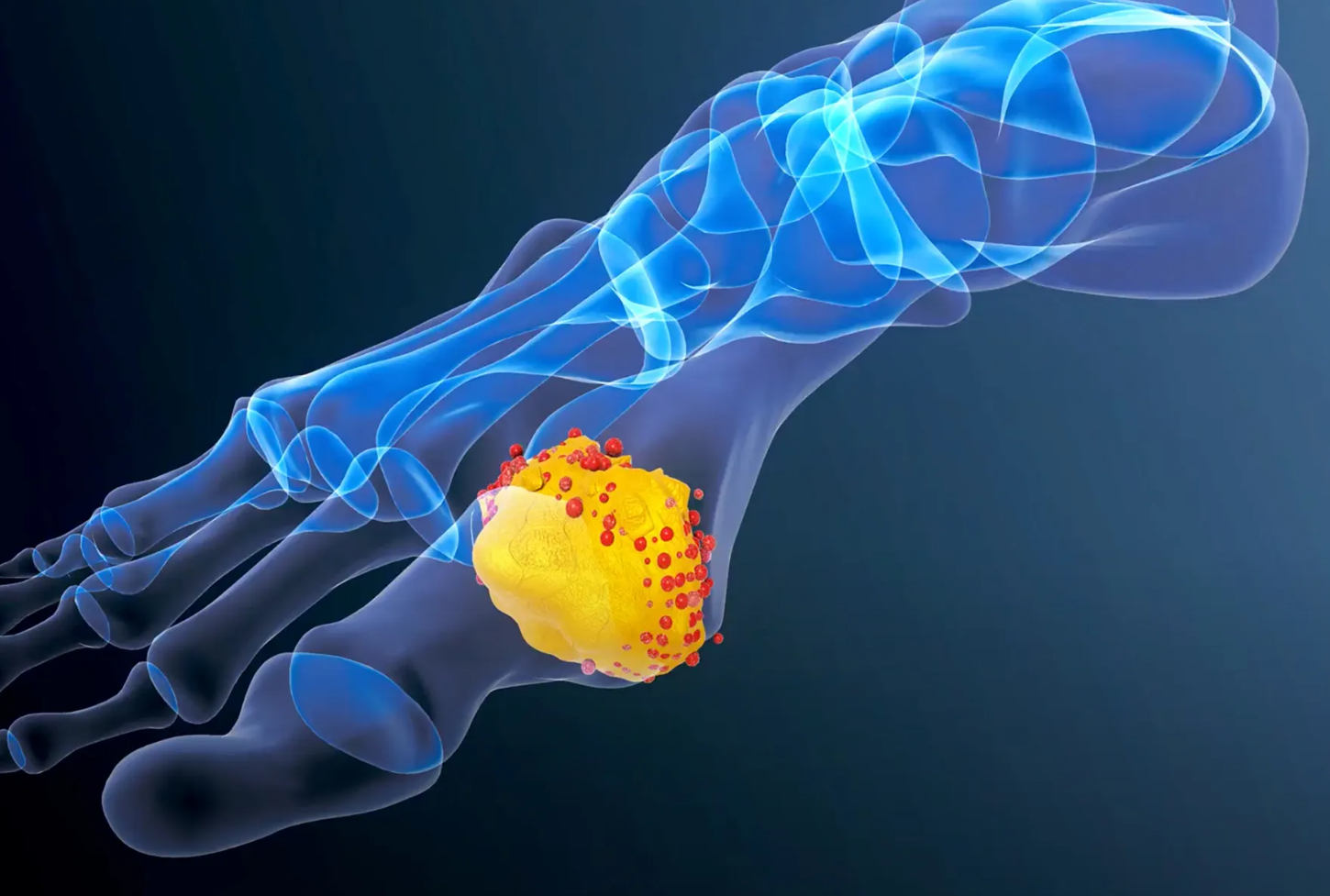
Gout is a form of arthritis caused by excess uric acid in the body, leading to sudden and severe joint pain and swelling. Many patients seek guidance from experienced professionals to manage the condition effectively, and treatment can vary depending on individual needs and health status. Understanding modern approaches to gout treatment helps reduce flare-ups, protect joint health, and improve overall quality of life.
What Is Gout?
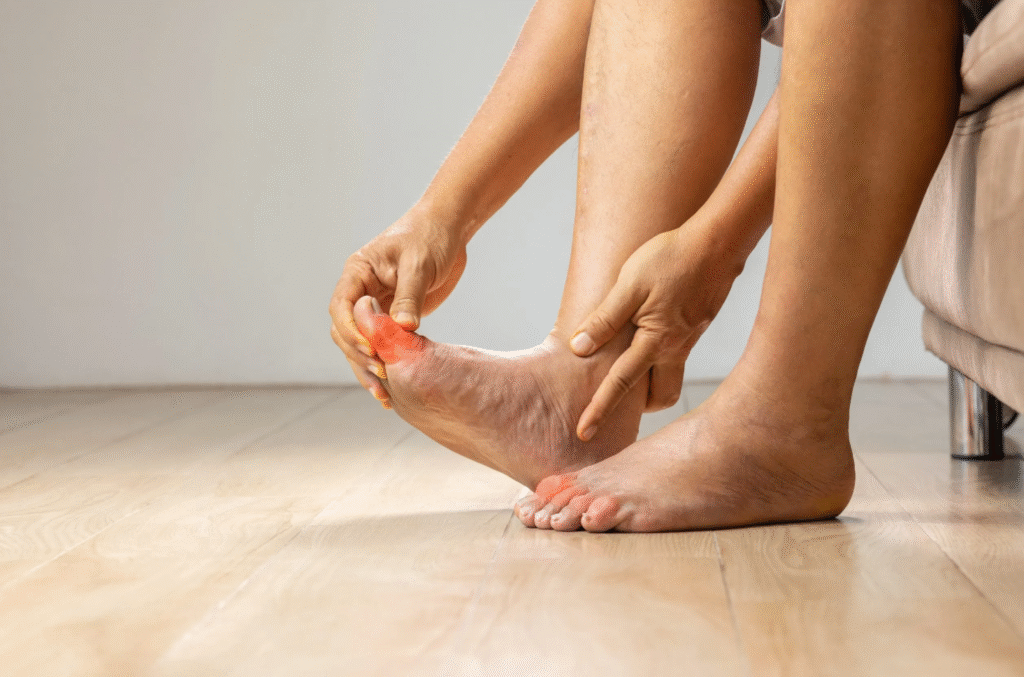
Gout occurs when uric acid crystals accumulate in the joints, most commonly in the big toe, knees, or ankles. This buildup triggers inflammation and intense pain that can last from a few days to several weeks. Risk factors include genetics, diet, obesity, high blood pressure, and certain medications. While gout is more common in men, women may also develop it, especially after menopause.
Goals of Gout Treatment
The main objectives of gout treatment are to:
- Reduce pain and inflammation during acute attacks
- Lower uric acid levels to prevent future flare-ups
- Protect joints from long-term damage
- Improve overall quality of life
By focusing on these goals, healthcare providers can tailor treatment plans to each patient’s specific needs.
Medications for Gout
Medications play a central role in managing gout. Some of the most common types include:
- Nonsteroidal anti-inflammatory drugs (NSAIDs)
These medications relieve pain and reduce inflammation during flare-ups. - Colchicine
Often used when NSAIDs are not suitable, colchicine can decrease inflammation and shorten attack duration. - Corticosteroids
Prescribed for severe attacks or when other medications are contraindicated. - Urate-lowering therapies (ULTs)
These medications, such as allopurinol or febuxostat, help maintain uric acid at safe levels, reducing the risk of future attacks.
Choosing the right medication depends on factors such as kidney function, other health conditions, and the frequency of attacks.
Lifestyle Modifications
Lifestyle changes are a vital part of managing gout. Alongside medication, patients are encouraged to:
- Maintain a healthy weight and engage in regular physical activity
- Limit foods high in purines such as red meat, organ meats, and certain seafood
- Reduce alcohol consumption, particularly beer and spirits
- Stay well-hydrated to help the body flush excess uric acid
- Monitor and manage other health conditions, such as diabetes and high blood pressure
Small changes in diet and habits can have a significant impact on reducing flare-ups and improving overall joint health.
Complementary Strategies
Some patients also find additional relief through non-medication approaches, including:
- Applying ice to inflamed joints to reduce pain and swelling
- Elevating affected limbs during acute attacks
- Practicing gentle range-of-motion exercises to maintain flexibility
While these strategies do not replace medical treatment, they can improve comfort during attacks and aid in recovery.
Monitoring and Follow-Up
Regular check-ups are important to monitor uric acid levels, assess joint health, and adjust treatment plans as needed. Blood tests and imaging may be used to track progress and prevent complications such as tophi formation or permanent joint damage. Early intervention during flares helps prevent long-term issues and ensures that treatment remains effective.
Emerging Therapies and Research
Research into gout continues to advance. Newer approaches include biologic medications that target specific pathways in the inflammatory process. Scientists are also exploring personalized treatment plans based on genetic markers and individual response to therapy. These developments offer hope for more precise and effective gout treatment options in the future.
Conclusion
Gout is a manageable condition when approached with the right combination of medication, lifestyle changes, and professional guidance. Early intervention, consistent monitoring, and working closely with trained healthcare providers can help patients reduce flare-ups, protect joint health, and enjoy a better quality of life. By understanding modern treatment strategies, people living with gout can take an active role in managing their condition safely and effectively.


 The non-plastic hair and skin care brand enhances its assortment with new benefit-specific shampoo bars

 Attiva by Reveal Lasers LLC Skin Structure Enhancement with Targeted iRF Energy
 Shante “Boss Lady” Broadus, entrepreneur, philanthropist, and CEO of Boss Lady Entertainment, where she is the Official Executive Team Manager of husband Snoop Dogg, will be featuring their Broadus Collection Scarfs at…
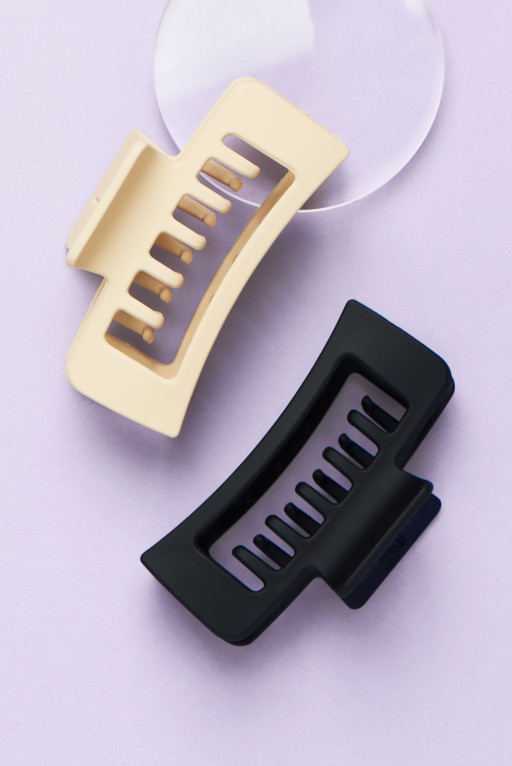 Innovative hair accessory company introduces two distinct versions of Double Claw Clips, promising a firm grip and less tension for all hair types
 A New Era of Dental Excellence Begins in Fountain Valley with KYT Dental Services