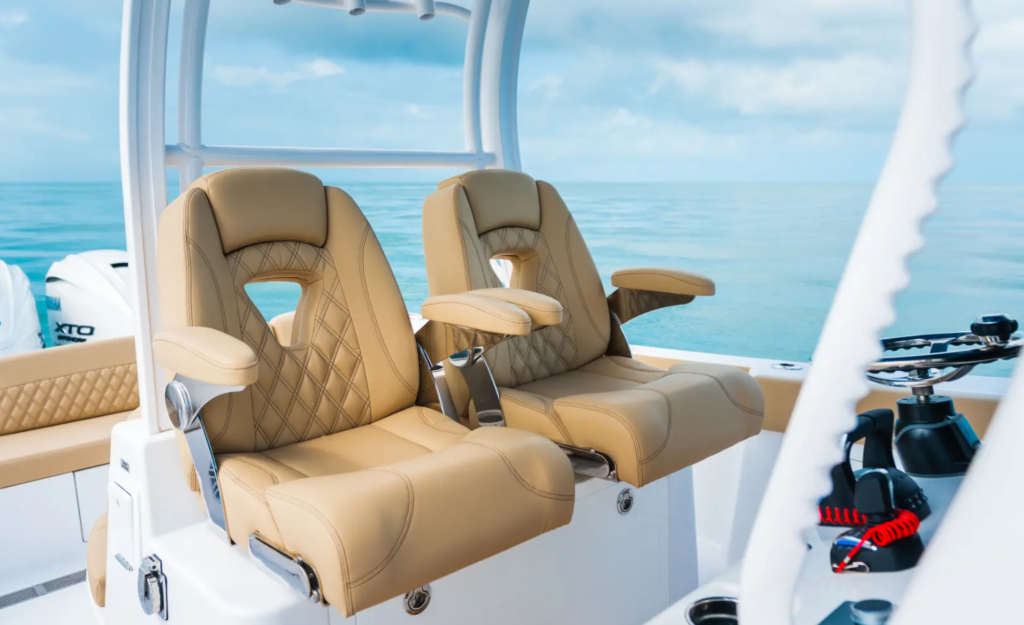
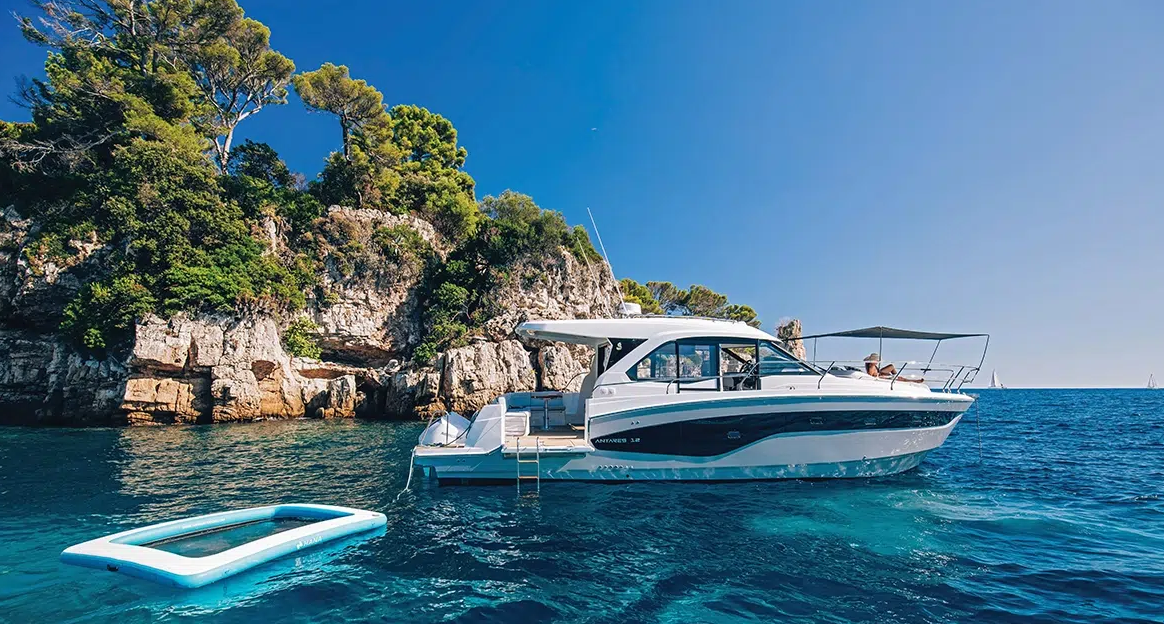
A well-designed boat interior can change the entire feeling of a day on the water. Seating is often the visual centerpiece, but it also has to perform under conditions that would challenge ordinary furniture. This balance has made material selection an important part of contemporary marine design. The right boat upholstery material can bring together comfort, refined textures, distinctive colors, and the durability needed for life around water. Boat Upholstery Broward specializes in professional upholstery for boats and yachts, helping owners create interiors tailored to their vessels.
The Interior Is Becoming Part of the Experience
Modern boat owners increasingly view the interior as more than a collection of functional surfaces.
A thoughtfully designed seating area can influence how passengers relax, socialize, and spend time onboard. As a result, interior upgrades often focus on creating an atmosphere rather than simply replacing damaged coverings.
Color, texture, stitching, and cushion shape can work together to establish a consistent design language.
Texture Creates a More Refined Look
One of the easiest ways to add sophistication is through texture.
Smooth marine vinyl can create a clean contemporary appearance. Subtle grain patterns can add depth, while contrasting textures can distinguish different seating sections.
Using one primary boat upholstery material and introducing complementary finishes can prevent the interior from appearing visually flat.
The result can feel luxurious without relying on excessive decoration.
Soft Neutrals Continue to Influence Marine Design
Neutral colors remain a popular choice for marine interiors.
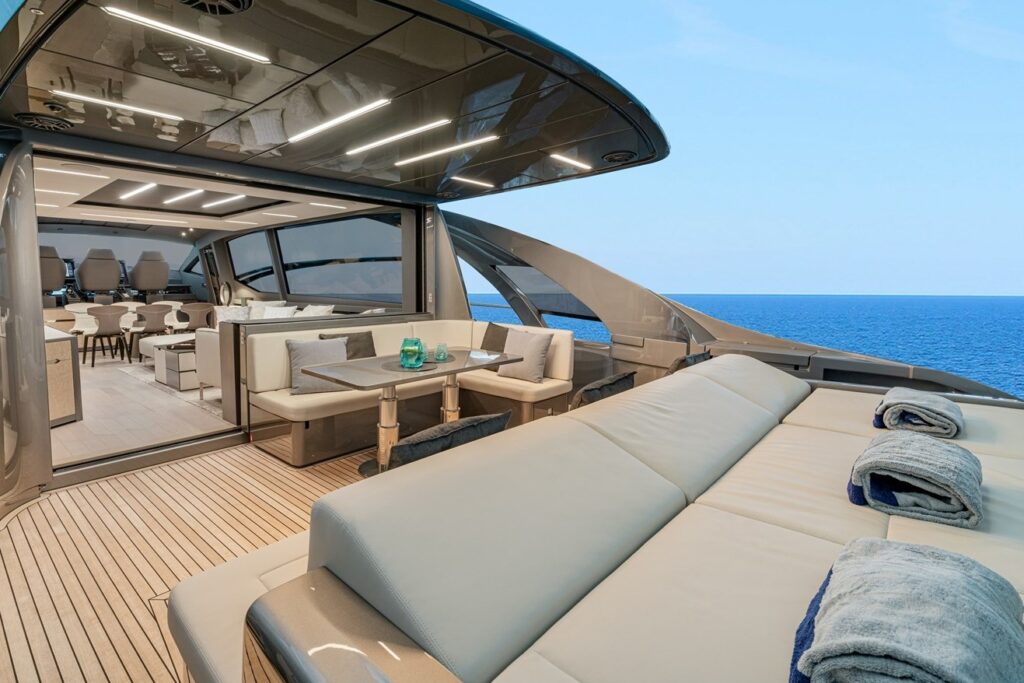
Cream, white, beige, and light gray can create a bright environment that complements natural surroundings. These shades also make it easier to introduce darker accents.
A sophisticated palette might combine:
- Cream seating with navy piping
- Light gray with charcoal accents
- White with muted blue details
- Sand tones with darker stitching
These combinations can create a timeless appearance that works across different boat styles.
Contrast Gives Seating More Definition
Contrast can make individual cushions and panels stand out.
Dark piping around a lighter cushion can emphasize its shape. Contrasting side panels can also make seating appear more structured.
Even a relatively simple boat upholstery material can look highly customized when paired with carefully selected finishing details.
This is particularly useful when owners want to modernize a factory-style interior.
Comfort Is the Foundation of Luxury
Luxury is not only about appearance.
Passengers notice cushion quality immediately, particularly during longer trips. Foam that has lost its resilience can make even attractive seating uncomfortable.
A comprehensive upholstery project should therefore evaluate the entire cushion.
Replacing old foam can improve:
- Support
- Cushion shape
- Seating comfort
- Resilience
- Overall appearance
The exterior material then becomes part of a complete seating system rather than an isolated cosmetic layer.
Marine Performance Still Comes First
The most beautiful material is not necessarily the best material for a boat.
Sunlight, moisture, salt, and frequent cleaning can quickly expose weaknesses in unsuitable products. Exterior seating faces particularly demanding conditions.
When selecting a boat upholstery material, owners should look for qualities such as:
- UV resistance
- Moisture resistance
- Mold resistance
- Color stability
- Easy maintenance
- Resistance to everyday abrasion
A successful design should remain attractive after repeated exposure to the marine environment.
Custom Stitching Adds a Personal Touch
Stitching can transform the character of seating.
Simple horizontal patterns can produce a modern minimalist appearance. More elaborate designs can create a richer luxury feel.
Contrast thread offers another way to highlight individual details without changing the main color palette.
Together with a quality boat upholstery material, custom stitching can create seating that feels specifically designed for one vessel.
Outdoor and Indoor Spaces Need Different Approaches
Marine interiors often combine protected and exposed seating.
Cockpit and bow cushions may face direct sunlight and water spray. Cabin seating usually receives greater protection but can still encounter humidity.
This difference means material selection should consider the exact location of each cushion.
Using appropriate materials in each area can help create consistent design while addressing different performance requirements.
Maintenance Protects the Finished Look
A beautiful interior requires regular attention.
Salt residue, sunscreen, food, and moisture can gradually affect marine seating. Simple cleaning after regular outings can prevent buildup and keep surfaces looking fresh.
Owners should make a habit of:
- Removing salt residue
- Wiping seating regularly
- Drying wet cushions
- Cleaning spills promptly
- Checking seams
- Protecting seating during storage
These habits can help a boat upholstery material retain its appearance for longer.
Timeless Design Often Beats Short-Lived Trends
Marine interiors are long-term investments.
A design may look fashionable today but become dated after a few seasons. Combining classic colors with carefully selected modern details can provide a more lasting result.
A durable boat upholstery material in a neutral shade, paired with distinctive stitching or subtle contrast, can remain appealing as design preferences change.
Final Thoughts
Today’s marine interiors increasingly combine practical performance with personal expression. Owners have more opportunities to customize colors, textures, cushioning, and finishing details than ever before.
The right boat upholstery material provides the foundation for this approach. When paired with supportive foam, thoughtful design, quality workmanship, and regular maintenance, it can help create a boat interior that feels comfortable, distinctive, and ready for years of life on the water.