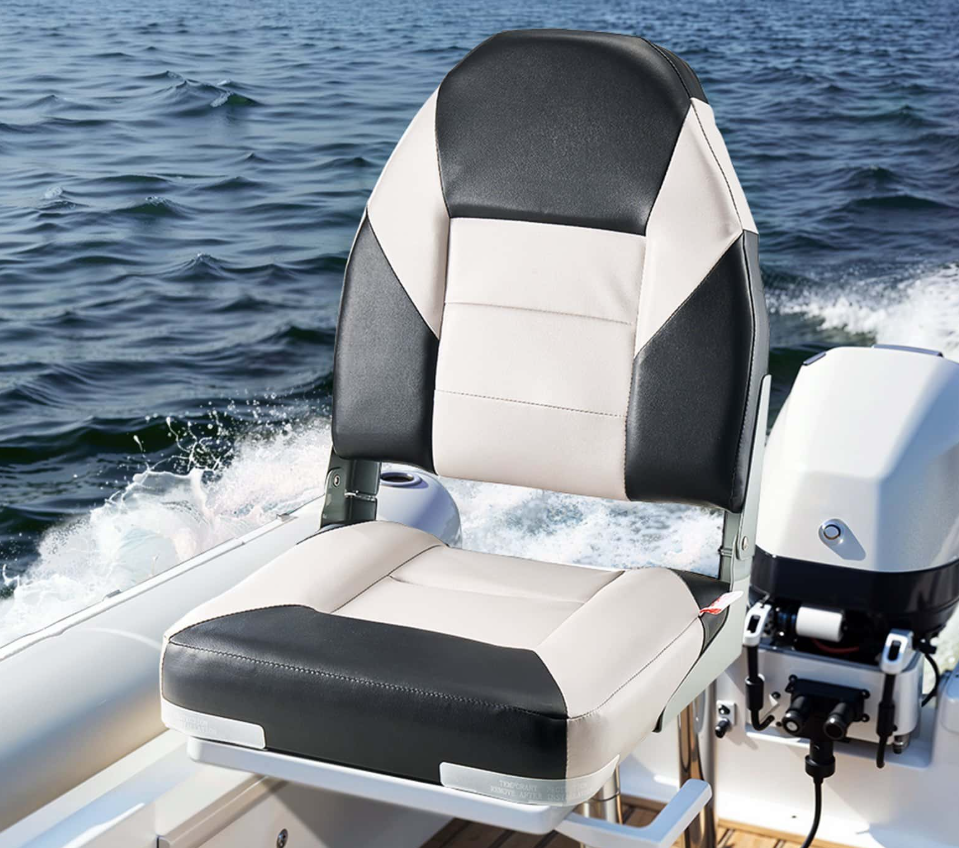
Boat upholstery repair provides vessel owners with an opportunity to improve interior quality without depending entirely on standard replacement products. Boats differ significantly in their dimensions, seating configurations, and operating conditions, making individual restoration solutions particularly valuable. Companies such as Boat Upholstery Broward, which specializes in marine upholstery and interior restoration, offer customized services designed around the specific requirements of each vessel. This approach allows owners to combine practical improvements with personalized design choices while preserving suitable existing components.
Standard Replacement Products Have Their Limitations
Purchasing ready-made marine seating may appear to be a convenient solution when original upholstery begins to deteriorate. However, standard products do not always match the dimensions, attachment systems, or design characteristics of individual boats.
Older vessels can present particular challenges because original replacement components may no longer be available. Similarly, boats with customized layouts often require seating solutions that manufacturers do not produce in standard sizes.
Even relatively small differences in cushion dimensions can affect installation, passenger comfort, and access to nearby compartments.
Professional boat upholstery repair offers an alternative by allowing specialists to work with the vessel’s existing configuration. Instead of modifying surrounding structures to accommodate replacement products, owners can restore seating according to its original dimensions and functional requirements.
Individual Measurements Improve Restoration Quality
Accurate measurements play a significant role in marine interior restoration. Unlike conventional furniture, boat seating often includes curved surfaces, narrow corners, and irregular shapes that require careful preparation.
Specialists must consider cushion thickness, seam placement, attachment points, and the relationship between adjacent seating sections. Additionally, replacement materials need sufficient flexibility to follow complex shapes without creating unnecessary tension.
Poorly fitted upholstery may develop wrinkles, uneven edges, or premature wear in areas where the covering experiences excessive pressure.
During boat upholstery repair, individual patterns can help ensure that replacement covers match the original seating structure. This process becomes especially important when restoring custom yachts, older recreational boats, or vessels with integrated lounge areas.
Careful preparation also contributes to a more consistent appearance across different interior components.
Material Specifications Are Becoming Part of Purchasing Decisions
Choosing replacement upholstery involves more than comparing colors and prices. Boat owners should also examine the technical characteristics of available materials to determine whether they meet their practical requirements.
Marine environments can expose seating to sunlight, humidity, saltwater, and repeated physical contact. Consequently, manufacturers offer products with different performance characteristics for specific applications.
When evaluating materials for boat upholstery repair, several specifications deserve attention:
- Resistance to ultraviolet radiation and color fading.
- Abrasion resistance under repeated passenger use.
- Suitability for outdoor marine environments.
- Compatibility with recommended cleaning products.
- Flexibility and strength around stitched areas.
- Resistance to moisture and mildew.
However, selecting a durable covering is only part of the process. Internal padding, thread, fasteners, and supporting materials should also suit the intended application.
Evaluating these components together helps owners make more informed purchasing decisions rather than relying exclusively on visual appearance.
Specialized Craftsmanship Remains Important
Although modern manufacturing techniques provide numerous material options, the quality of installation remains a significant factor in the finished result.
Marine upholstery projects frequently require manual preparation, precise cutting, sewing, and fitting. Complex seating arrangements may also require specialists to reproduce decorative patterns or create new designs that complement existing interior finishes.
Furthermore, removing damaged upholstery can reveal problems that were not visible during the initial inspection. These may include deteriorated foam, damaged attachment points, or weakened seat supports.
An experienced boat upholstery repair specialist can evaluate these conditions and adjust the restoration plan accordingly.
This flexibility distinguishes customized restoration from simply purchasing replacement cushions. Instead of applying the same solution to every vessel, specialists can address the individual characteristics of each interior.
Custom Restoration Offers Greater Design Flexibility
Interior restoration also gives boat owners an opportunity to reconsider design choices that no longer meet their preferences.
Some owners may want to introduce contemporary colors, while others prefer to preserve traditional styling. Similarly, commercial operators may require coordinated upholstery that reflects their business identity.
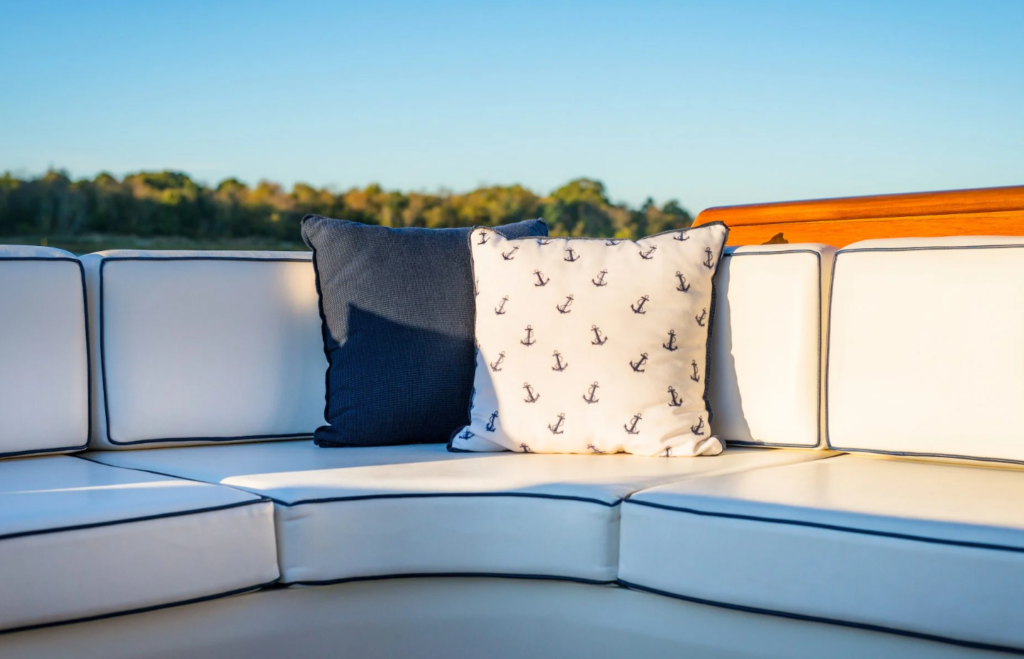
Customized restoration allows these preferences to become part of the project. Decorative stitching, contrasting panels, textured materials, and carefully selected accents can create a distinctive interior without requiring major structural changes.
Through boat upholstery repair, owners can also coordinate new seating with existing flooring, cabin finishes, and exterior colors.
Nevertheless, design decisions should remain compatible with practical requirements. Attractive materials must still provide appropriate durability, comfort, and ease of maintenance.
A balanced approach helps ensure that the finished interior remains suitable for regular boating activities.
Clear Documentation Can Simplify Future Maintenance
One frequently overlooked aspect of marine restoration is maintaining accurate records of completed work. Information about installed materials, color codes, foam types, and cleaning recommendations can become valuable during future maintenance.
For instance, if an individual cushion becomes damaged several years after restoration, knowing the original material specification may make it easier to identify a compatible replacement.
Commercial fleet operators can also benefit from maintaining consistent records across multiple vessels. This practice can simplify purchasing decisions and help coordinate future restoration projects.
Ultimately, professional boat upholstery repair combines material knowledge, technical preparation, craftsmanship, and individualized design. Rather than treating marine seating as a standard replacement product, customized restoration recognizes the unique requirements of each vessel.
For boat owners, this approach provides greater flexibility when planning improvements, managing maintenance expenses, and preserving interior quality. By making informed decisions and working with suitable materials, owners can create comfortable marine environments that remain practical throughout years of regular use.