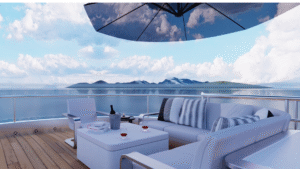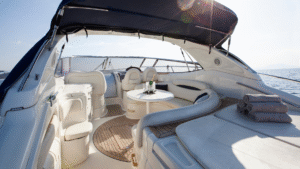
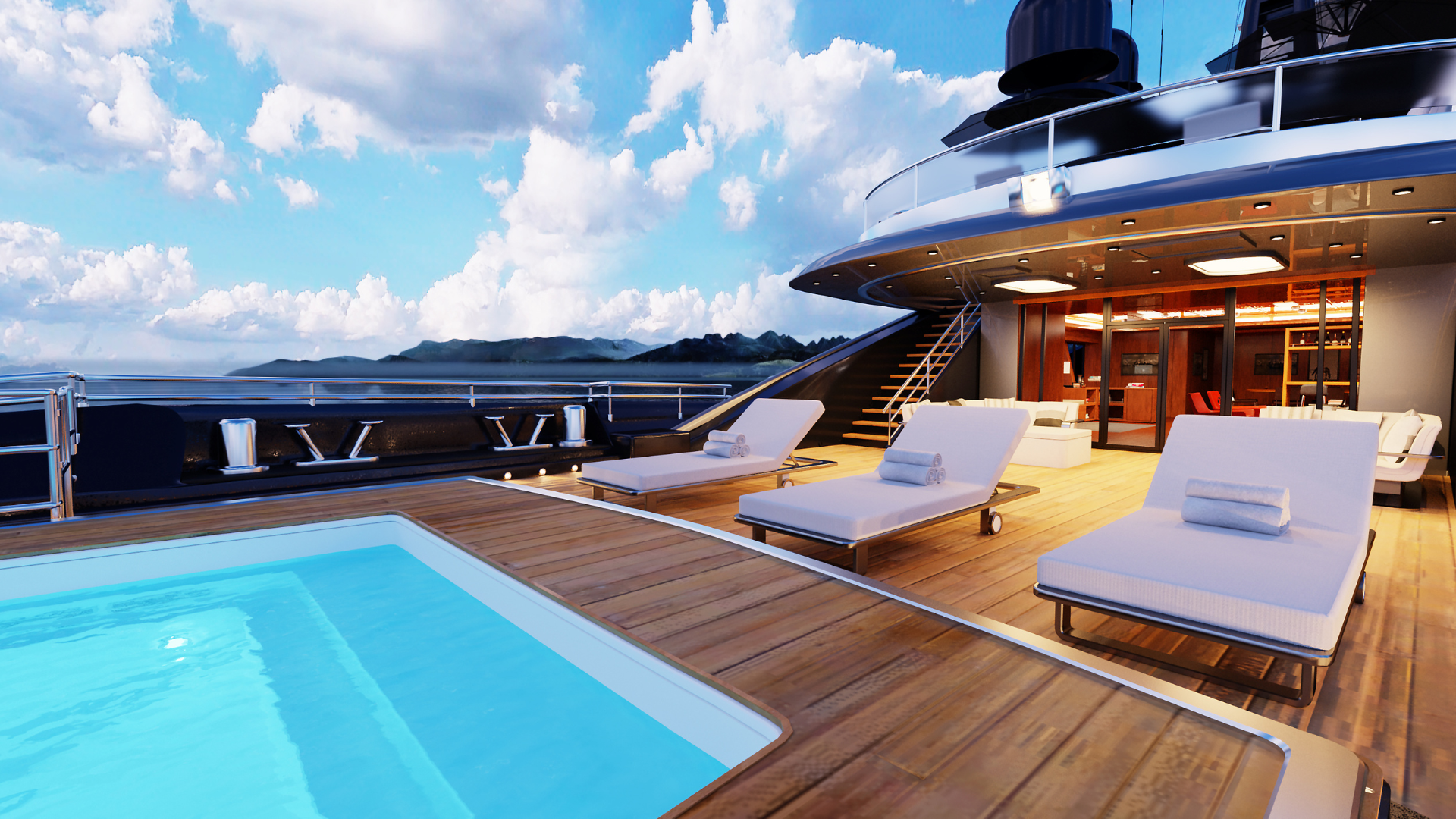
Boating isn’t just about the engine and hull — the interior of a boat plays a crucial role in comfort, appearance, and long-term value. Over time, interior elements like seating, flooring, cabinetry, and upholstery wear out, fade, or become outdated. That’s where boat interior restoration comes in as a smart and practical solution.
Whether you own a small fishing boat, a cabin cruiser, or a luxury yacht, restoring the interior can significantly improve both functionality and aesthetics.
What Is Boat Interior Restoration?
Boat interior restoration refers to the process of repairing, updating, or replacing the various elements inside a vessel. This often includes:
- Reupholstering or replacing seats and cushions
- Refinishing or repainting interior wood or fiberglass
- Installing new flooring (marine carpet, vinyl, or EVA foam)
- Upgrading wall panels or cabinetry
- Addressing mold, mildew, and moisture damage
- Improving storage or layout for usability
Unlike general repair, restoration often focuses on both visual appeal and long-term performance.
When Is It Time to Restore the Interior?
Boat interiors are exposed to a unique mix of wear factors:
- Sunlight and UV exposure, which cause fading and cracking
- Saltwater and humidity, which can lead to corrosion and mold
- Movement and vibration, leading to loosening of materials
- Aging materials, such as foam that becomes compressed or vinyl that peels
Common signs that suggest the need for boat interior restoration include:
- Cracked or stained seating
- Faded or warped wall panels
- Musty odors from hidden moisture
- Dated or mismatched interior design
- Loose fixtures or deteriorated flooring
Materials Used in Modern Restorations
Today’s restorations emphasize both durability and marine performance. Some commonly used materials include:
- Marine-grade vinyl and fabric: Designed for sun, moisture, and abrasion
- Closed-cell foam: Won’t absorb water and retains shape longer
- Synthetic teak flooring or EVA foam: Lightweight, non-slip, and attractive
- Stainless steel hardware: Resists corrosion in marine environments
- Composite or fiberglass paneling: Low maintenance and moisture-resistant
Choosing the right combination of materials is essential for a restoration that lasts and requires minimal upkeep.
Benefits of Boat Interior Restoration
Restoring a boat’s interior goes beyond surface-level improvements. Key advantages include:
- Increased comfort during long trips or overnight stays
- Extended lifespan of interior structures and systems
- Improved resale value and dockside appearance
- Enhanced usability, with better seating, layout, and storage
- Prevention of long-term damage from leaks or mold
Especially for older boats that still run well, boat interior restoration is a cost-effective alternative to full replacement or major upgrades.
Areas Typically Targeted in Restoration Projects
- Seating and Upholstery: Often the first to show wear, seats are reupholstered or re-foamed using UV- and mildew-resistant materials.
- Cabin Panels and Trim: Wood or composite panels are sanded, painted, or refinished for a clean, modern look.
- Flooring: Options range from traditional marine carpet to newer materials like snap-in vinyl or EVA foam.
- Storage and Cabinets: Worn cabinetry can be resurfaced or redesigned for better use of space.
- Lighting and Fixtures: Upgraded LED lighting and corrosion-proof fixtures improve visibility and energy efficiency.
Can You DIY a Boat Interior Restoration?
Some elements of interior restoration can be tackled by experienced DIYers, such as:
- Installing new cushions or replacing flooring
- Sanding and varnishing wood trim
- Minor fabric repairs or painting interior walls
However, large-scale boat interior restoration involving custom upholstery, cabinetry, or electrical work often requires professional skills and marine-grade materials.
Restoration vs. Renovation: What’s the Difference?
- Restoration focuses on returning the interior to its original or near-original condition using updated materials.
- Renovation may involve redesigning or modernizing the space, often changing layout, structure, or purpose.
In many cases, restoration blends into renovation — replacing old materials with modern equivalents while improving the layout or comfort level.
Final Thoughts
Whether you’re preserving a classic vessel, extending the life of a family cruiser, or upgrading for aesthetics and comfort, boat interior restoration is a practical step toward protecting your investment. It allows boaters to enjoy a refreshed environment without the cost of a new vessel, all while preserving functionality, style, and structural integrity.