Leather is known for its luxurious appearance, comfort, and durability. Whether used in marine environments or home interiors, it offers a classic look that many boat owners and homeowners prefer. However, leather is not immune to wear. Over time, exposure to sunlight, moisture, salt air, and general use can lead to cracks, fading, stains, or tears. This is where leather upholstery repair becomes essential.
Instead of replacing entire seats or panels, repairing leather surfaces is a smart and often more economical solution — preserving both function and appearance.
What Causes Leather to Deteriorate?
Leather can age gracefully with proper care, but several factors speed up its wear:
- UV exposure: Sunlight breaks down the leather’s natural oils, leading to dryness and cracking
- Moisture and humidity: Causes swelling, mildew, and even mold in untreated leather
- Saltwater: Leaves residue that degrades finish and promotes stiffness
- Friction and usage: Causes surface wear, discoloration, or thinning
- Improper cleaning agents: Harsh chemicals can damage the leather’s finish or color
These conditions are especially aggressive in marine settings, which is why leather upholstery repair is a frequent concern for boat owners and yacht interiors.
Types of Leather Damage That Can Be Repaired
Modern techniques allow for a wide range of leather issues to be corrected, including:
- Surface cracks and creases
- Faded or discolored patches
- Stains from food, drinks, or water
- Small tears or punctures
- Loose or peeling finish
- Worn or flattened cushions
Professional repair methods restore not only appearance but also the integrity of the leather.
How Leather Upholstery Repair Works
The repair process varies depending on the damage but usually follows these steps:
- Cleaning and preparation: Removing dirt, oils, and salt residue to assess the true condition
- Crack or tear filling: Applying leather filler and smoothing to match the surrounding surface
- Recoloring: Using dye or pigment to blend in the repaired area with the original tone
- Protective finish: Sealing the surface to prevent future wear and UV damage
- Conditioning: Reapplying oils to maintain flexibility and softness
Skilled professionals ensure that repairs are nearly invisible and restore the seat’s natural texture.
Leather Upholstery in Marine vs. Home Environments
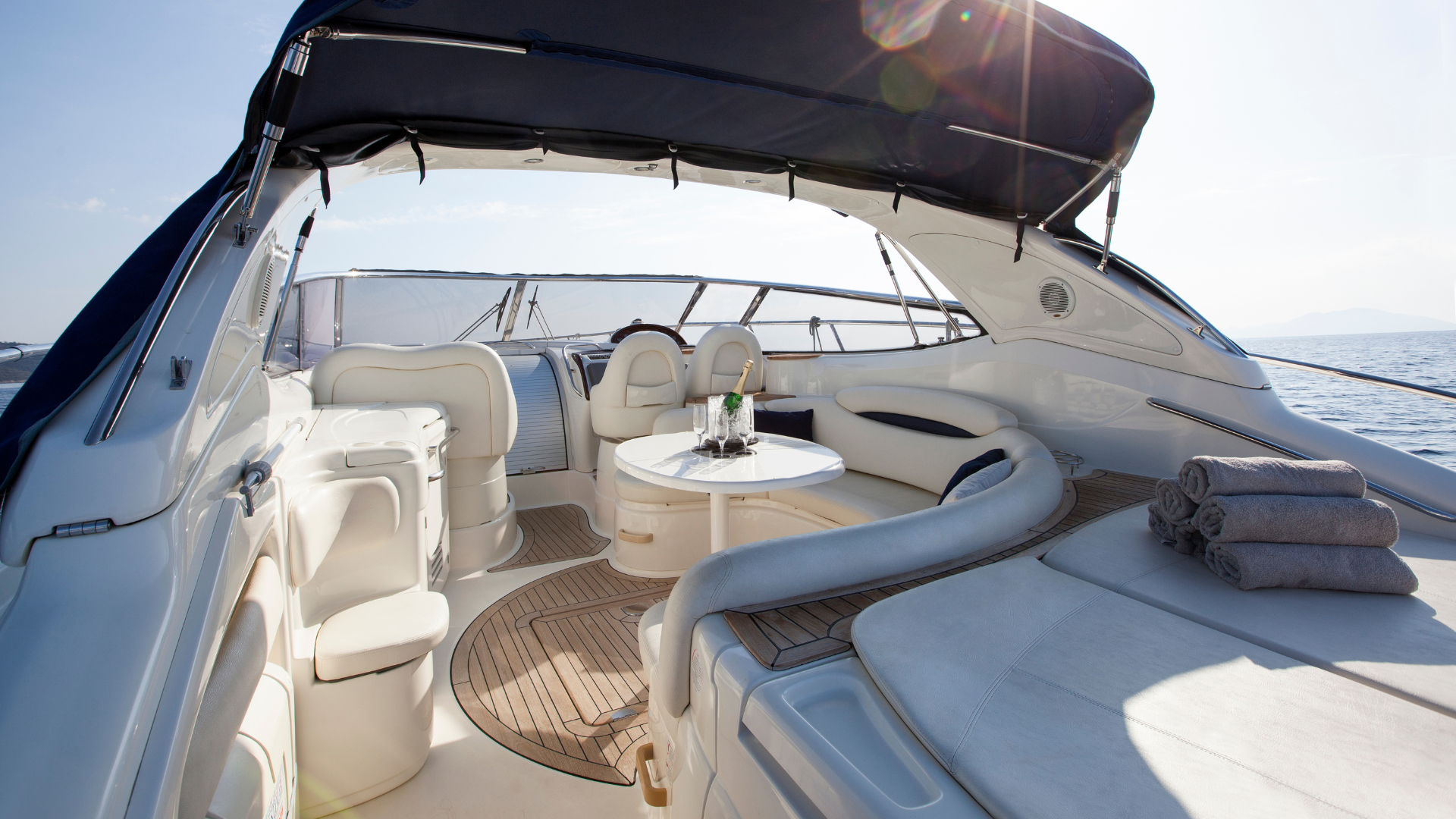
While leather is more common indoors, it’s increasingly used in luxury marine interiors, including:
- Yacht salons and dining areas
- Pilot and helm seating
- Below-deck cabins
- Lounge or entertainment spaces
Compared to home furniture, marine leather needs additional protection from UV rays and salt air, making routine care and occasional leather upholstery repair even more important.
Can You DIY Leather Repairs?
Minor surface cracks or scuffs may be managed with at-home kits, but there are limits:
DIY repairs:
- Suitable for small scratches or color touch-ups
- Require matching dyes and a steady hand
- Risk uneven texture or color if done incorrectly
Professional repair:
- Handles structural damage, large tears, or advanced discoloration
- Offers color-matching tools, fillers, and sealants not found in retail kits
- Delivers long-lasting results that blend seamlessly
Especially in visible or high-use areas, professional leather upholstery repair ensures a better and longer-lasting outcome.
How to Maintain Leather Upholstery After Repair
To prolong the life of restored leather:
- Use UV-protectant leather conditioners regularly
- Keep seats covered or shaded when not in use
- Avoid harsh detergents or alcohol-based cleaners
- Wipe spills immediately with a soft, dry cloth
- Ventilate marine cabins to reduce humidity and mildew buildup
Preventative care reduces the frequency of future repairs and keeps leather looking its best.
When Repair Isn’t Enough
Sometimes, leather is too far gone — foam may be damaged, or the structure beneath the upholstery may need replacement. In these cases, full reupholstering is the next step. However, starting with a repair consultation can often save original materials and reduce costs.
Final Thoughts
Whether you’re maintaining the luxury of your yacht’s salon or restoring a cherished leather seat at home, leather upholstery repair is a practical and effective way to protect your investment. With the right methods and care, leather can continue to provide comfort, beauty, and durability for years to come — without the need for full replacement.